
Recommendations
For individuals who have been inactive or are just beginning a movement routine, national health guidelines provide clear starting points. The U.S. Department of Health and Human Services recommends 150–300 minutes of moderate-intensity activity per week, or 75–150 minutes of vigorous-intensity activity for meaningful health benefits. In addition, resistance training at least two days per week targeting all major muscle groups is advised.
These evidence-based recommendations are supported by leading health organizations, including the American Heart Association, American Diabetes Association, American Cancer Society, CDC, and the World Health Organization. Together, these guidelines offer a safe, research-backed foundation for improving overall health and reducing chronic disease risk.

Learning About Physical Activity Recommendations
People who have been inactive for a long time or are new to establishing a movement routine may be unsure where to begin. The U.S. Department of Health and Human Services (2018) recommends 150 to 300 minutes (2.5 to 5 hours) of moderate-intensity physical activity per week for moderate to substantial health benefits.
Alternatively, you can engage in vigorous physical activity for 75 to 150 minutes (1.25 to 2.5 hours) per week. Resistance training recommendations are two or more days per week addressing every major muscle group. These research-based recommendations are backed by the American Heart Association, American Diabetes Association, American Cancer Society, U.S. Centers for Disease Control and Prevention, World Health Organization, and more .
Movement Modalities That Support Physical Health
There are many ways to be active and improve your health and wellness. For instance, there are studies supporting the benefits of tai chi, dancing, Pilates, yoga, walking, running, resistance training, stair climbing, and cycling
These activities enhance strength, cardiovascular fitness, balance, range of motion, and enjoyment and pleasure. As a wellness coach, keep an open mind about what qualifies as physical activity. The recommendations for physical activity from the U.S. Department of Health and Human Services are not specific as to any mode of activity.
Many types of movement have been shown to benefit body systems. What is the best type of movement? The type that works best for you! Work with your clients to identify which activity they will most likely adhere to and enjoy, and support them in their journey to better physical health and wellness.


Minimal Effective Amounts
Over the years teaching this Wellness course, I have encounter students who get far less than the 2.5 hours of recommended physical activity. For some students, the idea of carving out a couple hours a week for movement may feel overwhelming. In this situation, put aside the previous recommendations and consider what is the minimum movement that will benefit your wellness right now. The minimal effective amount of anything is the smallest amount of something you would need to get a positive result. For those who are inactive, small increases can have a significant benefit.
Someone who has not been active and then makes a change, even a small one, will see benefits to their mood and wellness. Over time, if that person continues to make gradual increases, they will continue to see positive changes. While there eventually comes a point where more is not necessarily better, that threshold will occur after the recommendation for physical activity is met.
Physical activity above your current baseline will benefit your longevity, cardiorespiratory health, positive experiences, social connections, and quality of life.
Short bouts of physical activity have an immediate effect on our physiology. Even quick bursts of intensity like climbing stairs, a few minutes of speed walking, or several repetitions of squats can have a positive effect. Lighter intensity activities work, too whatever gets you moving counts. For instance, consider everyday activities, even ones that do not “feel like exercise”, such as walking the dog, gardening, vacuuming, or raking leaves.
Physical Fitness is Crucial
Physical fitness is crucial for massage therapists to maintain their well-being and prolong their careers. Movement and physical activity offer myriad benefits, including improved circulation, digestion, metabolism, and immunity.
Regular movement ensures that oxygen and nutrients reach every cell in the body, including muscles, which aids in recovery and repair. staying active lowers the risk of heart attacks, strokes, dementia, and cancer.


Importance of Physical Conditioning
Massage therapy demands consistent use of hands, arms, and core muscles to deliver effective treatments. Without proper precautions, this can lead to repetitive strain injuries (RSIs). According to the Bureau of Labor Statistics, 32% of workplace injuries among massage therapists are due to musculoskeletal disorders. Therefore, physical conditioning is essential to avoid shortened career longevity or chronic pain. Strong hands, arms, and a stable core are the foundation of effective massage therapy, improving the ability to deliver treatments, minimizing fatigue, and reducing the risk of injury.
Debunking Exercise Misconceptions
A common misconception is that exercise must be intense or uncomfortable to be effective. Exercise doesn't have to hurt, and you don't have to push yourself until you're soaked in sweat or every muscle aches to get results. You can build your strength and fitness by walking, swimming, or even playing golf, gardening, or cleaning the house. The key is to find activities that fit your lifestyle and that you enjoy.


Incorporating Movement into Daily Life
Massage therapists can incorporate movement into their daily routines without requiring intense workouts. Simple strategies include stretching regularly to improve flexibility and reduce muscle tension, especially in the neck, shoulders, back, and legs.
Taking frequent breaks to stand up, stretch, and walk around every 30-60 minutes can also improve circulation and reduce stiffness. Gentle exercises like yoga, Pilates, or tai chi are excellent for maintaining flexibility, balance, and muscle strength.
Deep breathing exercises combined with gentle movements, such as arm swings or shoulder rolls, can improve muscle relaxation and circulation. Foam rolling can also help release tight muscles and improve flexibility.

Essential Exercises for Massage Therapists
Massage therapists can incorporate specific exercises into their routines to build strength, improve flexibility, and enhance endurance.
Strengthening Hands and Arms
Maintaining the strength and endurance of hands and arms is essential for delivering consistent, high-quality treatments. Weak or fatigued hands and arms can lead to strain and long-term injuries. Effective exercises include wrist curls with weights or resistance bands to strengthen forearm muscles and improve grip. Reverse wrist curls target the extensor muscles in forearms, balancing strength across the arm. Finger extensions with a rubber band strengthen finger extensor muscles and enhance grip control.
Theraputty exercises improve coordination, ideal for intricate massage techniques. Towel twists boost wrist mobility and grip strength while reducing stiffness. Palm squeezes with a stress ball enhance forearm strength and help prevent grip fatigue during long sessions. Modified push-ups reduce wrist strain while strengthening the arms, shoulders, and chest.

Enhancing Flexibility
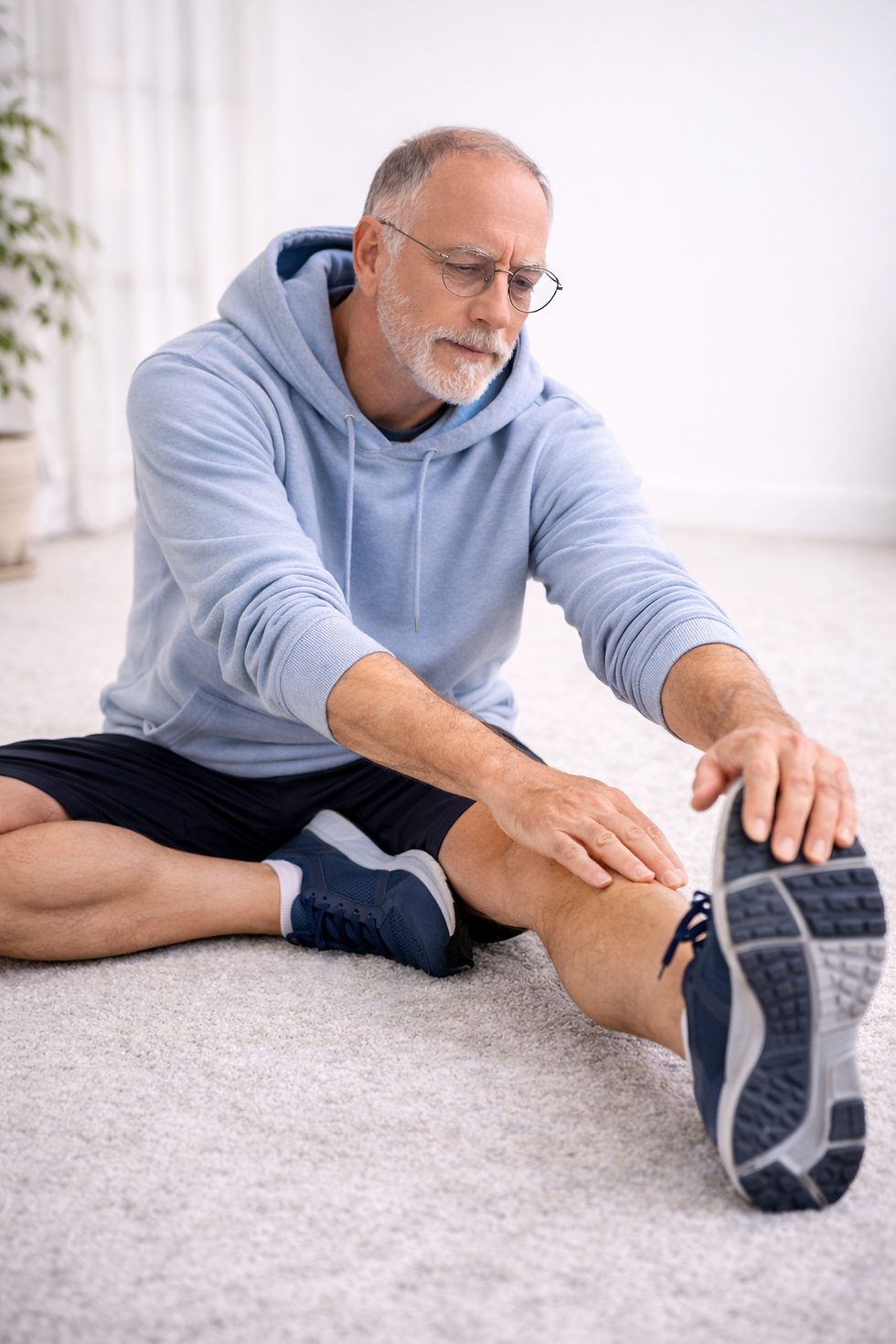
Flexibility allows for free movement during sessions, reducing the risk of strain and injury. Stretching is particularly important for areas prone to stiffness, such as the neck, shoulders, and lower back. Neck rotations relieve neck tension caused by prolonged leaning over clients.
Shoulder rolls loosen shoulder muscles and improve posture. Chest openers stretch tight pectoral muscles, often strained from forward leaning postures. Hamstring stretches reduce lower back tension by improving hip and hamstring flexibility. Torso twists improve spinal mobility. The cat-cow pose improves spinal flexibility and alleviates tension in the lower back. Wrist flexor and extensor stretches maintain wrist flexibility.
Core Strengthening
A strong core is essential for maintaining proper posture, reducing lower back strain, and providing stability during sessions. Focus on exercises that avoid excessive strain on your hands and wrists. Deadbugs strengthen the core and improve coordination. Bird dogs enhance balance and spinal stability. Side planks target the obliques and improve overall core stability. Glute bridges strengthen the glutes and lower back while engaging the core. Supermans strengthen the lower back and shoulders, crucial for maintaining posture during sessions.


Incorporating Active Recovery
Recovery is as important as strengthening and flexibility for preventing injuries and maintaining endurance. Active recovery exercises promote circulation, relieve muscle tension, and prevent stiffness after long workdays. Foam rolling releases tightness in the calves, hamstrings, and upper back. Child’s pose relieves tension in the back and shoulders while promoting relaxation. The legs-up-the-wall pose encourages blood flow, reduces swelling in the legs, and helps you unwind after a busy day. Gentle yoga flow enhances flexibility, promotes relaxation, and relieves muscle tightness.
Self-Care Strategies
Self-care is the foundation of a sustainable, thriving career for massage therapists, requiring physical stamina, mental clarity, and emotional balance. Fueling your body with protein-rich foods, omega-3s, and magnesium-rich greens provides energy, while staying hydrated prevents muscle fatigue and improves focus.
Managing stress through mindfulness meditation or deep breathing exercises can reduce stress, with research showing mindfulness can lower stress by up to 40%. Prioritizing sleep for 7–9 hours a night and incorporating active recovery, such as foam rolling or gentle yoga, are also essential. Working smarter, not harder, by limiting the number of clients and building breaks into the schedule prevents overworking.


Physical Benefits of Increasing Duration and Intensity
Most of us would benefit from moving more. Research suggests there is an optimal zone of physical activity for each of us that is specific to our age, personal history, health, and other wellness factors. There can be too much vigorous intensity exercise, likely around 5 hours per week and especially for those over the age of 45.
However, the researchers found no adverse effects for the upper limits of low- to moderate-intensity leisure time activities, and even low amounts of exercise can be very beneficial. In other words, as long as you balance activities in your life and avoid going too hard for too long, you can benefit from increasing the volume and intensity of your activity.
There are few reasons to add higher intensity exercise into a physical activity routine. In a meta-analysis by researchers point out that high-intensity interval training provided similar benefits to moderate-intensity continuous training for improving body composition, cardiovascular health, and total cholesterol.
However, high-intensity training took less time and provided greater improvements in cardiorespiratory fitness. For those of us who are strapped for time and are comfortable with higher intensity activity, high-intensity interval training can be a good option. It has been shown to produce a sense of novelty, pride, feelings of accomplishment, and similar benefits to increased duration exercise but in less time.

Over Training
When it comes to exercise, you can get too much of a good thing. Overtraining can occur when you push yourself beyond your capacities or fail to take the necessary time to recover from your training. signs and symptoms of overtraining.
Building muscle requires tearing it down, but in a planned and progressive way. The body gradually adapts to challenges and demands of physical activity. When someone overworks or does not take time to adequately recover, they do not allow the body to repair itself before creating more damage. The risk of overtraining comes when there is too much damage without sufficient recovery.
I want to take a moment to emphasize something important—I do not want you working out every single day and pushing yourselves to the point of exhaustion. Exercise is essential, but too much of a good thing can actually be harmful.
Reflection Introduction
A reflection assignment asks you to think about and explain what you learned in a module and how that information connects to your understanding or perspective. The purpose of a reflection is not simply to repeat the material, but to show that you understand the ideas presented and can thoughtfully consider their meaning and importance.
For this assignment, write a short reflection that explains what you learned in this module and the key ideas that stood out to you. Your response should demonstrate that you engaged with the material and understand the concepts discussed. You may describe what you found interesting, surprising, or meaningful as you reviewed the lesson.
Your completed reflection should clearly show what you learned in the module and how the information contributed to your understanding of the topic. Your reflection will be shared with others in the class as part of the learning and discussion process.
