
Movement for Lifelong Health
In this section, you will move from planning into action by participating in a short-term movement experience. After creating your personal movement blueprint, this is an opportunity to put your plan into practice and observe how your body responds to consistent activity. Experiencing movement on a daily basis can help deepen your understanding of how physical activity influences energy levels, mood, and overall well-being.
This section focuses on building awareness through experience. By engaging in intentional movement each day, you will begin to notice patterns in how your body feels, how your energy changes, and how movement fits into your routine. This process helps reinforce the connection between consistent physical activity and long-term health, while encouraging you to develop habits that feel both realistic and sustainable.
Movement and Energy
Physical activity stimulates circulation and oxygen delivery throughout the body. This process supports energy production within cells and often leads to increased feelings of vitality and alertness. Many individuals notice that regular movement helps reduce fatigue and improves focus throughout the day.

Movement and Recovery
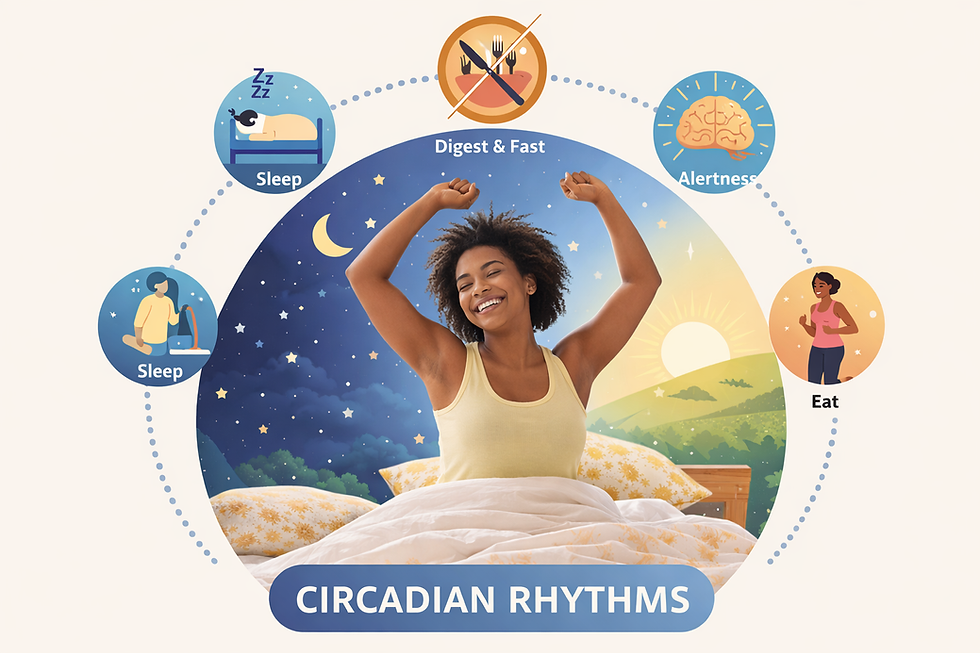
Consistent movement may also support better sleep and improved recovery. Physical activity helps regulate circadian rhythms and can promote deeper sleep cycles, allowing the body to repair and restore itself more effectively.

Observing Personal Responses to Movement
During this module, you will participate in a seven-day movement challenge. The goal of this challenge is to explore how your body responds to daily movement. By engaging in intentional activity each day, you will have an opportunity to observe changes in your physical energy, mood, motivation, and overall well-being.
This experience helps reinforce the connection between regular movement and long-term health.

Movement and Mood
Exercise also affects the release of neurotransmitters and hormones that influence emotional well-being. Physical activity can stimulate the release of endorphins, serotonin, and dopamine, which are associated with improved mood and reduced stress.
Reflection Introduction
A reflection assignment asks you to think about and explain what you learned in a module and how that information connects to your understanding or perspective. The purpose of a reflection is not simply to repeat the material, but to show that you understand the ideas presented and can thoughtfully consider their meaning and importance.
For this assignment, write a short reflection that explains what you learned in this module and the key ideas that stood out to you. Your response should demonstrate that you engaged with the material and understand the concepts discussed. You may describe what you found interesting, surprising, or meaningful as you reviewed the lesson.
Your completed reflection should clearly show what you learned in the module and how the information contributed to your understanding of the topic. Your reflection will be shared with others in the class as part of the learning and discussion process.


Experiencing the Impact of Daily Movement
Understanding the benefits of physical activity is important, but the most meaningful insights often come from direct experience. Engaging in regular movement over a short period of time allows individuals to observe how their bodies respond to consistent physical activity.
Even small increases in daily movement can influence energy levels, mood, sleep quality, and overall well-being. Research shows that consistent physical activity supports circulation, hormone regulation, metabolic function, and mental health.
When movement becomes a regular part of daily life, the body begins to adapt in positive ways. These adaptations may include improved endurance, increased strength, better coordination, and enhanced recovery.