
The Impact of Movement on the Systems
Physical movement supports the endocrine system by helping regulate hormone production and balance throughout the body. Exercise promotes the release of beneficial hormones that influence mood, metabolism, and energy levels while also improving insulin sensitivity and regulating stress hormones.
By incorporating regular physical activity into daily routines, individuals can support hormone balance, improve metabolic health, and enhance overall physical and emotional well-being.

The Impact of Movement on the Endocrine System
Physical movement supports the endocrine system by helping regulate hormone production and balance throughout the body. Exercise promotes the release of beneficial hormones that influence mood, metabolism, and energy levels while also improving insulin sensitivity and regulating stress hormones.
By incorporating regular physical activity into daily routines, individuals can support hormone balance, improve metabolic health, and enhance overall physical and emotional well-being.

Movement, Mood, and Overall Well-Being
Exercise influences hormones that affect mood and emotional well-being, including endorphins, serotonin, and dopamine. These hormones contribute to feelings of relaxation, happiness, and improved mental clarity. Activities such as yoga, stretching, walking in nature, or participating in recreational sports can help reduce stress and promote a sense of balance within the body. Over time, consistent movement supports the endocrine system’s role in maintaining physical health, emotional stability, and overall well-being.

Movement and Hormone Regulation
Physical movement plays an important role in supporting the endocrine system, which is responsible for producing and regulating hormones that control many functions in the body. During exercise, the body releases hormones such as endorphins, adrenaline, and growth hormone that help regulate mood, energy levels, and physical performance. Activities such as walking, cycling, swimming, and other forms of moderate exercise help maintain balanced hormone levels and support communication between endocrine glands and other body systems.

The Impact of Movement on the Digestive System
Physical movement supports the endocrine system by helping regulate hormone production and balance throughout the body. Exercise promotes the release of beneficial hormones that influence mood, metabolism, and energy levels while also improving insulin sensitivity and regulating stress hormones.
By incorporating regular physical activity into daily routines, individuals can support hormone balance, improve metabolic health, and enhance overall physical and emotional well-being.

Movement Stimulates Digestion
Physical movement helps activate peristalsis, the wave-like contractions that move food through the digestive tract. When the body is active, these contractions become more efficient, allowing food to pass smoothly through the stomach and intestines. This can reduce feelings of heaviness, bloating, and discomfort after eating. Even light activities such as walking after a meal can gently stimulate digestion and support overall digestive flow.
Improved Circulation and Organ Function
Regular movement increases blood flow throughout the body, including to the digestive organs. This improved circulation delivers more oxygen and nutrients to the stomach, intestines, and liver, allowing them to function more effectively. As a result, the body becomes better at breaking down food and absorbing essential nutrients, which supports energy levels and overall health.


Prevention of Digestive Discomfort
A sedentary lifestyle can slow down the digestive system, often leading to constipation, gas, and bloating. Movement helps keep the digestive tract active and supports regular bowel movements. By incorporating consistent physical activity into daily routines, individuals can reduce digestive discomfort and promote a more balanced and comfortable digestive process.
Gut Health and Overall Wellness
Movement also supports the connection between the brain and digestive system, often referred to as the gut-brain axis. Physical activity helps reduce stress, which can positively influence digestion and decrease symptoms like stomach tension or irregular digestion. Additionally, regular movement supports a healthy gut microbiome, contributing to better nutrient absorption, stronger immunity, and improved overall well-being.


The Impact of Movement on Bone Health and the Skeletal System
Physical movement supports the endocrine system by helping regulate hormone production and balance throughout the body. Exercise promotes the release of beneficial hormones that influence mood, metabolism, and energy levels while also improving insulin sensitivity and regulating stress hormones.
By incorporating regular physical activity into daily routines, individuals can support hormone balance, improve metabolic health, and enhance overall physical and emotional well-being.

Movement Strengthens Bone Density
Physical activity plays a key role in maintaining and improving bone density. Weight-bearing exercises such as walking, resistance training, and functional movements place gentle stress on bones, which stimulates them to become stronger. This process helps maintain bone mass and reduces the risk of conditions like osteoporosis. Over time, consistent movement supports a stronger skeletal structure and greater overall stability.
Supports Joint Health and Mobility
Movement helps keep joints flexible and well-lubricated by stimulating the production of synovial fluid, which reduces friction between joint surfaces. Activities such as stretching, yoga, and functional movement patterns support a healthy range of motion and reduce stiffness. When joints move regularly, they are better able to support daily activities with less discomfort and improved ease.
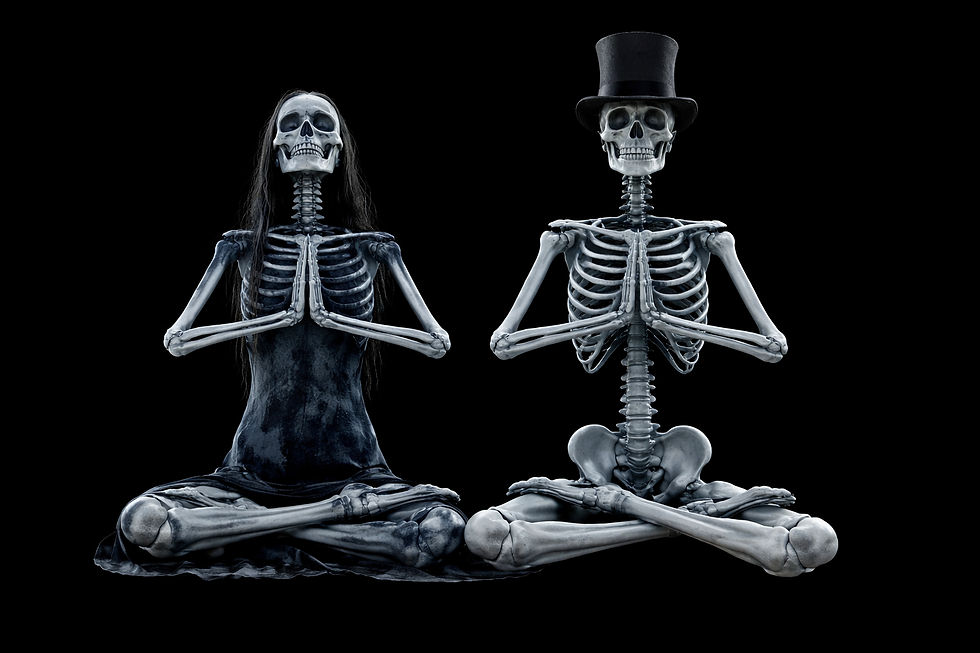

Enhances Muscular Support for the Skeleton
The skeletal system relies on surrounding muscles for support and protection. Strength training and resistance exercises build muscle, which helps stabilize joints and reduce strain on bones. Strong muscles act as a support system for the skeleton, improving posture, balance, and alignment while lowering the risk of injury during movement.
Long-Term Bone Health and Injury Prevention
Regular movement contributes to long-term skeletal health by improving balance, coordination, and overall body awareness. These benefits help reduce the risk of falls and fractures, especially as individuals age. Consistent physical activity also supports lifelong bone strength and resilience, allowing the body to move confidently and maintain independence over time.


The Effects of Movement on the Muscular System
Physical movement supports the endocrine system by helping regulate hormone production and balance throughout the body. Exercise promotes the release of beneficial hormones that influence mood, metabolism, and energy levels while also improving insulin sensitivity and regulating stress hormones.
By incorporating regular physical activity into daily routines, individuals can support hormone balance, improve metabolic health, and enhance overall physical and emotional well-being.

Builds Strength and Muscle Tone
Movement is essential for developing and maintaining muscle strength. Activities such as resistance training, bodyweight exercises, and daily functional movements create small stresses within muscle fibers, prompting them to repair and grow stronger. Over time, this leads to improved muscle tone, increased strength, and a greater ability to perform everyday tasks with ease and confidence.
Improves Endurance and Muscle Efficiency
Regular physical activity enhances muscular endurance, allowing muscles to work for longer periods without fatigue. As muscles adapt to consistent movement, they become more efficient at using oxygen and energy. This means everyday activities like walking, lifting, or climbing stairs require less effort, helping reduce fatigue and improve overall stamina.


Supports Flexibility and Range of Motion
Movement, especially stretching and mobility exercises, helps maintain flexibility and joint range of motion. Flexible muscles are less prone to stiffness, tightness, and injury. Activities such as yoga, dynamic stretching, and mobility work support proper movement patterns and help the body move more freely and comfortably.
Prevents Muscle Loss and Supports Long-Term Health
Without regular movement, muscles can weaken and shrink over time, a process known as muscle atrophy. Consistent physical activity helps preserve muscle mass, support metabolism, and maintain overall physical function as the body ages. Strong, healthy muscles contribute to better posture, balance, and long-term independence, making movement a key factor in lifelong wellness.

Reflection Introduction
A reflection assignment asks you to think about and explain what you learned in a module and how that information connects to your understanding or perspective. The purpose of a reflection is not simply to repeat the material, but to show that you understand the ideas presented and can thoughtfully consider their meaning and importance.
For this assignment, write a short reflection that explains what you learned in this module and the key ideas that stood out to you. Your response should demonstrate that you engaged with the material and understand the concepts discussed. You may describe what you found interesting, surprising, or meaningful as you reviewed the lesson.
Your completed reflection should clearly show what you learned in the module and how the information contributed to your understanding of the topic. Your reflection will be shared with others in the class as part of the learning and discussion process.

Exercise and Metabolic Hormones
Regular physical activity also helps regulate hormones involved in metabolism, including insulin and cortisol. Aerobic exercise and strength training improve the body’s ability to use insulin effectively, helping maintain stable blood sugar levels and reducing the risk of metabolic disorders. In addition, consistent movement can help regulate cortisol, a stress hormone that may become elevated during prolonged stress. By supporting healthy hormone balance, exercise helps improve metabolism, energy production, and the body’s ability to maintain internal balance.
